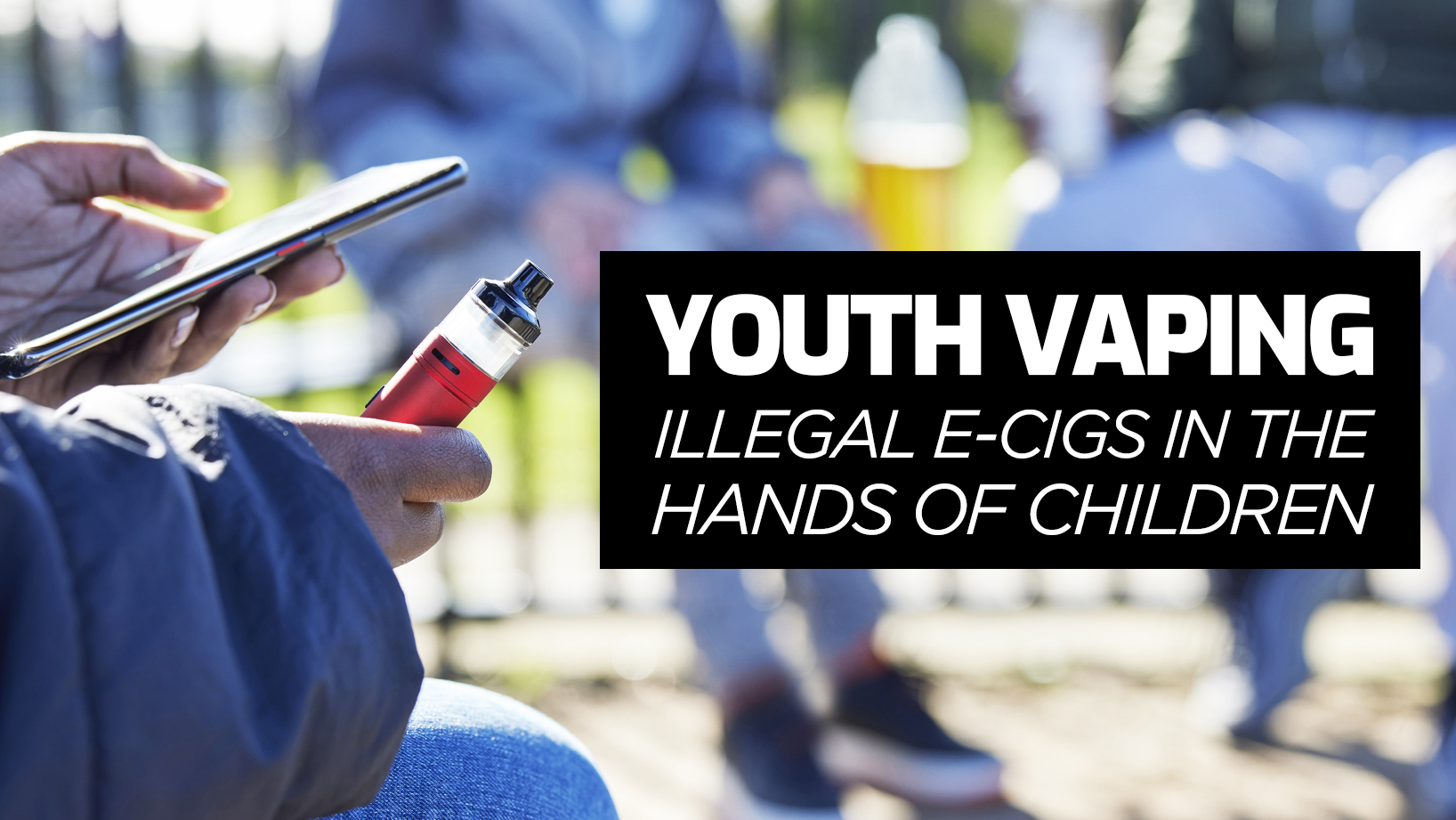
An in-depth look at youth vaping and what can be done to combat it.
In this article...
Youth vaping is a hot topic at the moment. With major media sources such as BBC News, The Guardian and Sky News all talking about it. But what are the main issues? And, how can we combat this growing trend? Let’s take a closer look at the problem and how we can reduce youth vaping.
Youth vaping – what’s the issue?
In the UK, the age restriction on vape related goods is 18. This even applies to devices and liquids that don’t contain nicotine. That’s because vaping is first and foremost a stop smoking tool and cigarette substitute designed for adults. Smokers are much more likely to quit using an e-cig and it’s a much safer alternative to tobacco.
But, e-cigs are finding their way into the hands of children as young as 11, mainly in the form of disposables. These devices provide vapers with intense flavours and high nicotine strengths. This is a great start for transitioning smokers, as they’re very easy to use. Action on Smoking and Health (ASH) report that 11% of 11-17 year olds have tried vaping (1).
The main problem with children using these kits is the high nicotine content. As I’m sure you’re all aware, it’s a highly addictive substance. Also, the effects of nicotine on adolescent brains doesn’t have a great deal of research. But, it seems that children are more sensitive to it, according to the NHS (2). UK law sets a limit of 2% or 20mg/ml, which is roughly the equivalent of smoking 25 cigarettes.
While the bright colours and sweet flavours of disposables target adult vapers, this can also make them appealing to a younger audience. Some suggest that this warrants a ban on flavoured e-liquids, but this will hamper the people that vaping is trying to help. Two thirds of users prefer flavoured juices, as they want to avoid the taste of the cigarettes. In fact, a third of vapers say that they would return to smoking if a flavour ban was introduced (3).
Illegal Vapes.
Surprisingly, a significant number of the vapes in schools are not legal for sale in the UK. Under TRPR law, tanks can only have 2ml of liquid and can’t have a higher nicotine strength than 2%. This means that if a disposable has more than this, then it’s illegal to sell. Also, the Medicines & Healthcare products Regulatory Agency (MHRA) requires the registration of any e-liquid or disposable. This ensures compliance with TRPR and provides peace of mind for UK consumers.
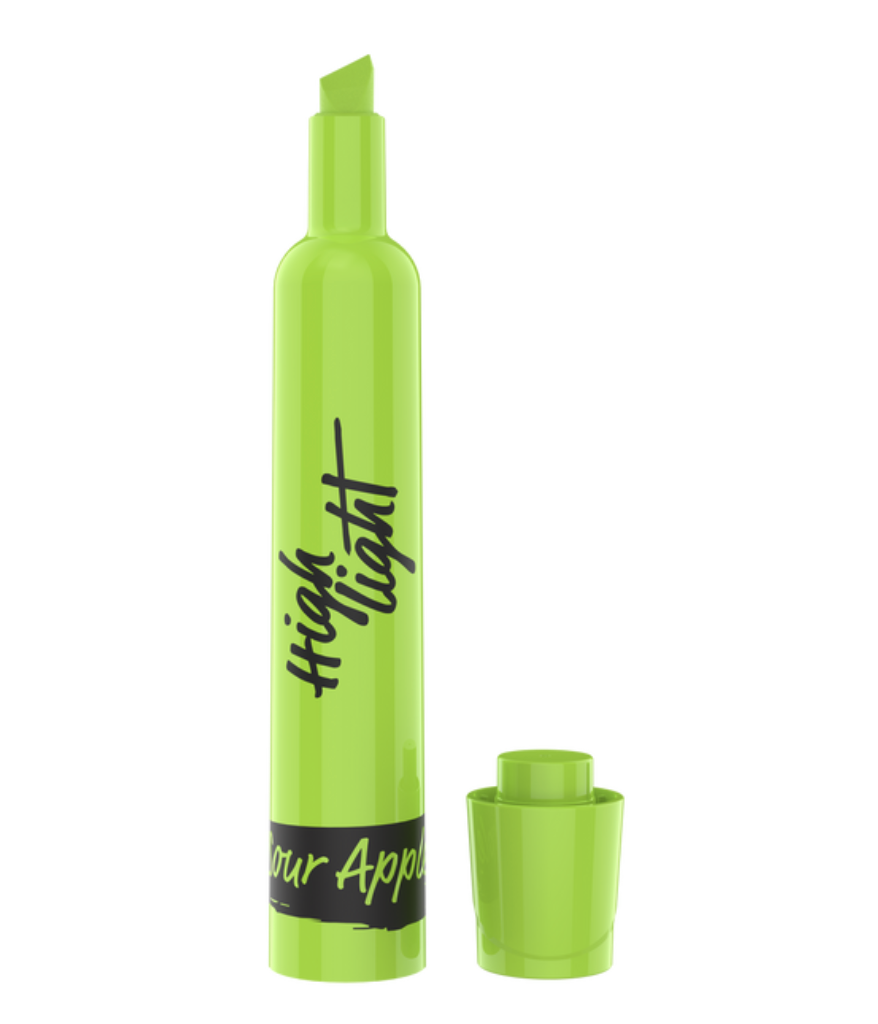
Products like the High Light Office 4 pose a significant problem.
Firstly, the device is made to look like a highlighter, which allows youth vapers to hide them easily. Also, most teaching staff haven’t been educated about e-cigs and wouldn’t notice if a student was carrying one of these.
It also is illegal for sale in the UK as it breaches TRPR. The tank holds around 10-12ml of liquid. Also, the strength of the juice is 5%, well above the limit.
When tested, it was found that these devices contained lead, nickel and chromium way above safe levels. These tests were performed by The Inter Scientific laboratory in Liverpool. This lab group works with e-liquid makers to ensure that their products are up to standard (4).
In response to these findings the Independent British Vape Trade Association (IBVTA) said:
The IBVTA continues to support the fight against the illicit trade. Illegal products bring our sector into disrepute which is why we’re calling for more funding for enforcement at points of importation so these illegal and unsafe products are kept off the UK market in the first place.
IBVTA (2023)(5)
How can youth vaping be addressed?
We agree that youth vaping is a growing problem. It might not be as large as the mainstream media are making it out to be, but it does need to stop. Here are some ways in which the government can help to drastically reduce the number of underage users.
Harsher fines.
Currently the fine for a retailer caught selling vapes to underage users is only £2,500. This is nowhere near high enough and should be at least £10,000, if not unlimited. This fine should also be applicable to retailers that sell illegal devices. Although the UK government are going to be assembling a task force to help to catch retailers that target underage vapers, it’s not enough (6).
Stop the importation of illegal vapes.
The main source of illegal vapes is overseas, you can buy a large number of non TRPR compliant kits from China and the US. These devices are designed for use in countries where there aren’t limitations on strength and liquid volume. If there were tighter restrictions at the border, it could stop the bulk importation of these devices for wholesale.
Also, all online retailers need to use age verification. Highlighted in a recent article, LBC journalist Fraser Knight was able to buy 2 ‘nicotine free’ devices on Amazon with no ID check upon delivery (7). These disposables were tested and found to contain high amounts of nicotine. TECC.co.uk uses a thorough age verification system to ensure vapers are of legal age and we only sell TRPR compliant products.
Plain packaging.
In February, the the Local Government Association (LGA) called for e-liquid and disposables to have plain packaging. This would help reduce the appeal to children. Most vapers would embrace this change if it were enforced, as colours and packaging don’t have an influence over the performance of the products.
Another suggestion from the LGA was to remove vape products from display in convenience shops. Again, this is another change that wouldn’t impact adult vapers (8).
Licensed vape retailers.
To make it more difficult for children to access vapes, the government could restrict their sale exclusively to licensed e-cigarette shops. That way, the retailers would have to take more responsibility for selling vapes to underage children. It would also help to discourage so many locations from stocking them, making them less available to youths.
While this would make disposables a little less convenient, as they wouldn’t be anywhere near as common, it would help to stop the sale of these kits to minors.
Educate schools & teachers about youth vaping.
In a Times Radio video an interviewee said “I, as a teacher, was unaware there was illegal and legal vapes. Therefore, if me as a teacher is not even aware, I highly doubt [students are] being taught that at school” (9).We have solid evidence that proves teachers in schools need to receive guidance about vaping. With the right knowledge and advice, they can actively educate their students.
A disposable ban.
If youth vaping is still an issue after already making changes to combat it, then as a last resort the government could prohibit the sale of disposables. Australia are already planning to outlaw all non-prescription vaping and Scotland are also considering a total ban on disposables. This would be a controversial move, as they do have their use as a first step in adult smokers making the switch. However, vapers find them costly and we cannot ignore their impact on the environment.
Youth vaping – our conclusion.
Vaping isn’t the problem. The government supports and considers e-cigarettes to be an essential component in the fight against smoking. Where the real problem lies is with irresponsible retailers, who aren’t using appropriate age verification. Also, people can easily purchase illegal vapes online, and customs frequently fail to check them. If these two things were to change, then youth vaping would plummet. It isn’t necessary for packaging changes and flavour or disposable bans, this would only hinder adult vapers who are trying to make a healthier choice.
While there is still work to do, in time there are bound to be additional protections put in place to prevent youth vaping. In fact, the government are already reviewing how trading standards can issue fines (10). In essence, we already have the tools, they simply need to be enforced more aggressively.
If you have any questions regarding the content in this article, or have any vaping questions in general, then feel free to contact us.
Sources
[1] ASH (2022). Use of e-cigarettes among young people in Great Britain.
[2] NHS.UK. (2022). Vaping to quit smoking – Quit Smoking with Better Health.
[3] Lumley, S. (2023). Express UK. A third of vapers could return to cigarettes – if government bans fruity vape flavours.
[4] Pym, H & Watkinson, L. (2023). BBC News. Vaping: High lead and nickel found in illegal vapes.
[5] IBVTA. 2023. IBVTA. [LinkedIn]. Independent British Vape Trade Association’s Post Speak on how support continues for the fight against the illicit vape trade.
[6] GOV.UK. (2023). Department of Health and Social Care. Crackdown on illegal sale of vapes.
[7] Knight, F. (2023). LBC. Vapes falsely advertised as nicotine-free sold online without age checks, LBC investigation finds.
[9] Times Radio (2022). Youtube. How social media is getting your kids addicted to vaping.
[10] Andersson, J & Pym, H. (2023). BBC News. Vaping: Government plans underage crackdown.