
What are the current UK vaping laws and how could they change?
In this article...
In January 2020 the UK officially left the EU. This meant that by December 2020 the country didn’t have to abide by EU laws anymore and could instead create their own. There are two main articles of EU legislation that impact vaping: Tobacco & Related Products Regulations (TRPR) and TPD (Tobacco Products Directive). Today we’ll look at the aftermath of Brexit and discuss how vaping could change.
TRPR & TPD
The Tobacco & Related Products Regulations (TRPR) was the legislation that brought the EU Tobacco Products Directive (TPD) laws into UK law. These laws impacted all tobacco products, but they also changed vaping policy too.
The key restrictions that impact vaping are:
- Bottles that contain pre-mixed e-liquid can’t be bigger than 10ml.
- Packaging and bottles must be childproof, or have tamper visible stickers.
- E-liquid can’t contain certain ingredients such as caffeine, taurine & vitamins.
- Tanks, pods and cartridges can’t contain more than 2ml of liquid.
- The maximum nicotine strength can’t be more than 20mg (2%).
While some of these restrictions make sense and greatly support vapers, some of these laws actually create barriers to vaping.
Brexit And Vaping – What Could The Future Hold?
This year (2022) Dr Javed Khan published recommendations to help the country be smokefree by 2030. One of these changes was to support the promotion of vaping as a recognised stop smoking tool. After all, vaping is 95% safer than smoking. Bodies such as OHID, Cancer Research UK and the NHS support the promotion as a stop smoking tool. Also, vapes are twice as effective at helping smokers quit than other forms of nicotine replacement therapy (NRT)[1].
The current Tobacco Control Plan (TCP) for England from 2017 is coming to an end this year. Here’s a list of what we’d like to see updated, to improve quality of life for vapers in the UK.
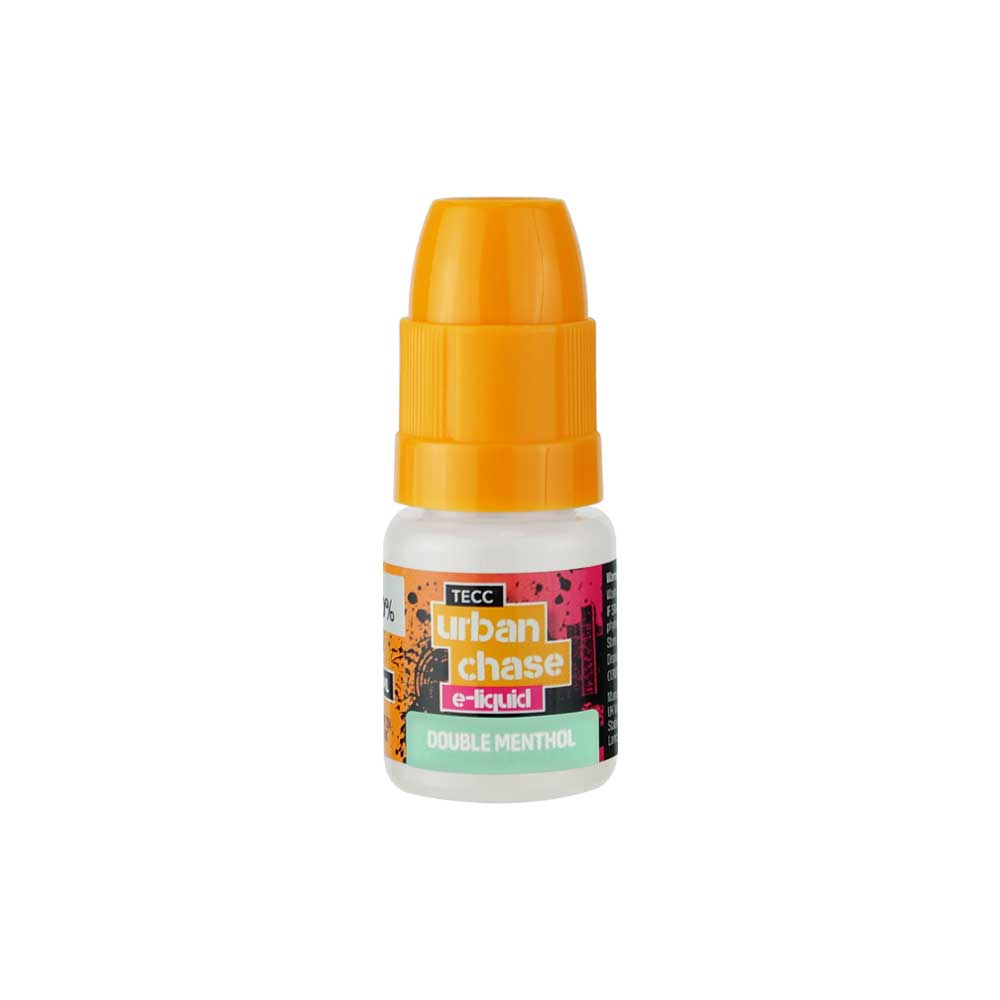
Increasing Bottle Sizes
While vapers do have access to 50ml or 100ml bottles in the form of shortfill, you still have to add your own nicotine. Also, the highest nicotine strength you can make with a shortfill is 6mg, if you’re lucky. Vapers who use higher strengths or prefer pre-mixed e-liquid are resigned to 10ml bottles.
Back when vaping first began in the UK, 30ml bottles of e-liquid were widely available. If the laws were to be updated, this is a key change that would make vaping easier.
Bigger Tank Size
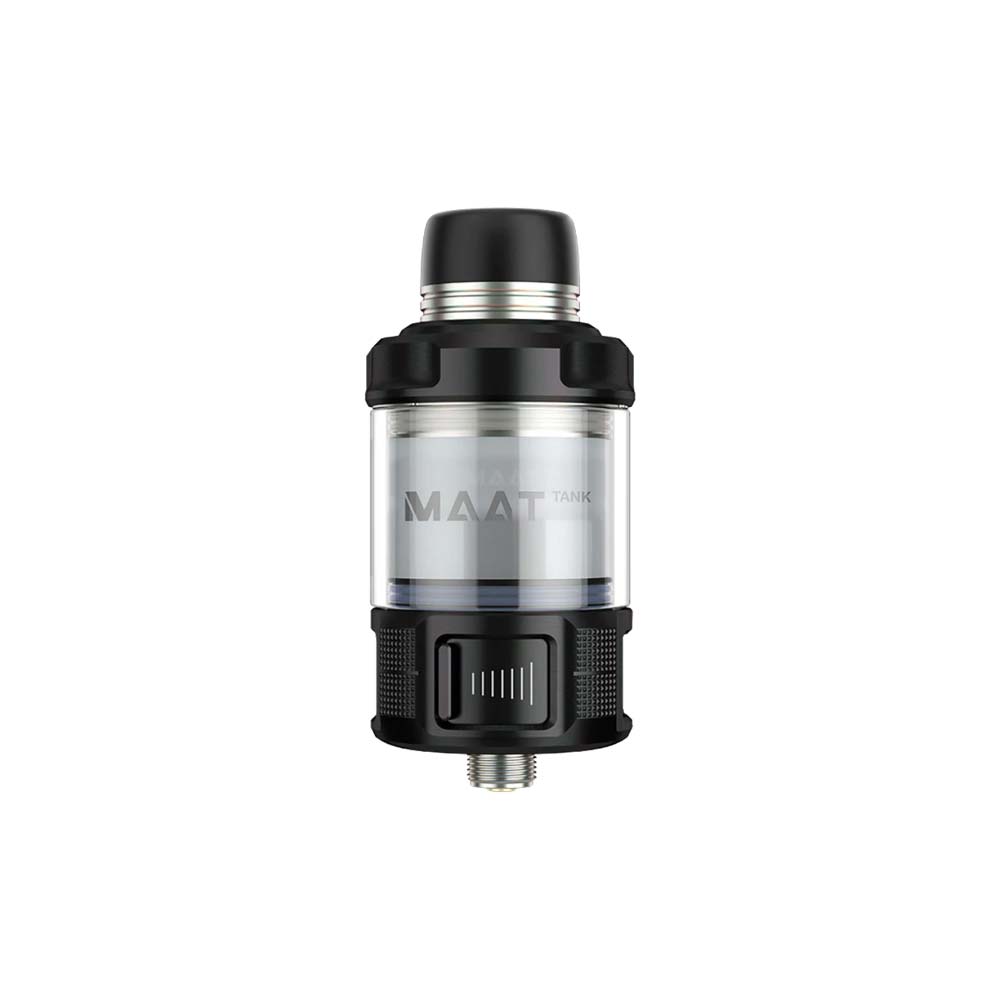
Allowing bigger tank sizes would also be an amazing revision, especially for DL vapers.
Using the VOOPOO MAAT Tank as a key example. By adding a bubble glass the tank capacity rises to a whopping 6.5ml. But with current TRPR compliance, the tank contains rubber stoppers to limit the tank to 2ml.
DL vapers use liquid very quickly and, with 2 ml tanks, have to fill their tank very frequently.
TRPR Regulations That Should Stay
Ban On Harmful Substances
The legal restriction on e-liquid ingredients is a must and is in place to guarantee the safety of vapers. The vaping related deaths in the USA are a prime example of why this needs to be in place. Officials found that the vapers who died were inhaling THC laced with vitamin E acetate[2]. When vitamin E acetate is inhaled, it can cause problems with how your lungs work[3].
The TRPR restricts what can go in the e-liquid. Also, e-liquids must be reported to the Medicines & Healthcare products Regulatory Agency (MHRA) before they can be sold.
Maximum Nicotine Strength
Currently the maximum nicotine strength is 20mg/ml (2%). Which is the equivalent of around 22 cigarettes a day. I think that this is an ample maximum strength for e-cigs for the purpose of quitting smoking.
Nicotine carries with it some minor side effects and is a highly addictive substance, there’s simply no need for it to be any higher.
And there we have it. That’s where we currently stand with Brexit in regards to vaping. Keep an eye on the blog for any alterations to vaping law.
Sources
[1] Davies, J. Daily Mail. (2022). Vapes are TWICE as good as nicotine-replacement patches and gums at helping smokers quit, landmark review concludes.
[2] Bosley, S. The Guardian. (2019). Vaping deaths in the US: what do you need to know?.
[3] Torres, E. (2020). What Does Vaping Vitamin E Acetate Do To Your Lungs?.